



Amino Acid Derivatives
Amino Acid Derivatives are bioactive molecules formed through chemical modifications or metabolic transformations of amino acids. They are widely present in living organisms and play crucial roles in physiological, psychological, and athletic performance.
The functions of these derivatives primarily include enhancing energy supply, regulating neurotransmitters, promoting fat metabolism, and reducing muscle damage. For example, creatine can increase muscle strength, enhance ATP resynthesis, and improve short-duration high-intensity exercise performance; tyrosine, as a precursor of dopamine and norepinephrine, helps enhance cognitive function and improve mood, particularly in sleep deprivation conditions, exhibiting anti-fatigue effects; carnitine facilitates fatty acid oxidation in the heart and skeletal muscles, improving endurance performance; HMB (β-hydroxy-β-methylbutyrate) reduces muscle breakdown and promotes muscle mass gain; while taurine exhibits antioxidant and antihypertensive properties and reduces oxidative stress induced by exercise.
Metabolic abnormalities or improper supplementation of amino acid derivatives may be associated with various diseases. For instance, tyrosine metabolism disorders can disrupt neurotransmitter balance, potentially leading to depression or stress-related disorders; elevated ADMA (asymmetric dimethylarginine) levels can inhibit nitric oxide synthesis, increasing the risk of cardiovascular diseases; carnitine deficiency is linked to certain genetic muscle disorders, impairing fat metabolism and energy production. Additionally, HMB may help slow muscle loss under specific conditions, while taurine intake is associated with improved cardiovascular health. Although some of the effects of these derivatives remain debated, they hold significant potential applications in sports nutrition, neurological regulation, and metabolic health.
All Product Categories
-
Amino Acid Derivatives Related Products (1766)
Related Products (1766)

-
Fmoc-Arg(Pbf)-OH
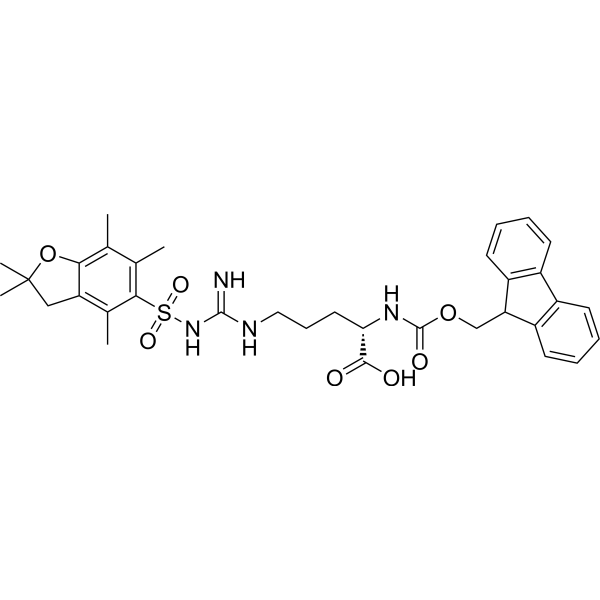 0 ImagesFmoc-Arg(Pbf)-OH is an arginine derivative containing amine protecting group Fmoc. Fmoc-Arg(Pbf)-OH is a building block for the introduction of Arg into SPPS (Solid-Phase Peptide Synthesis).
-
L-Tyrosine disodium salt
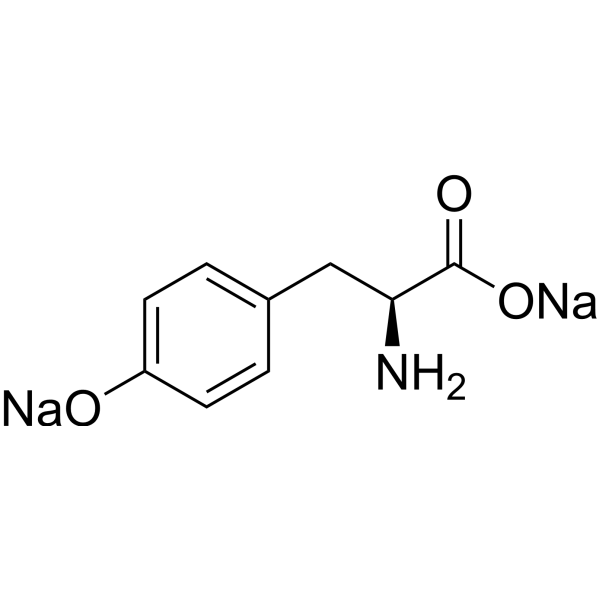 0 ImagesL-Tyrosine (disodium) is a tyrosine derivative.
-
Fmoc-Gly-OH
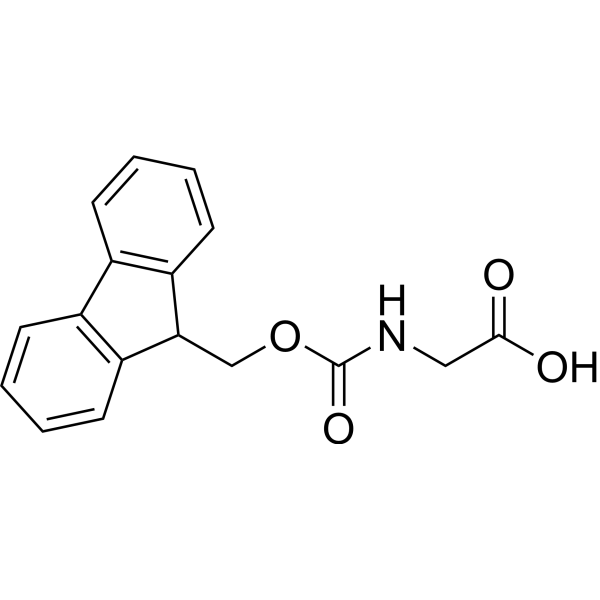 0 ImagesSynonyms: Fmoc-glycineFmoc-Gly-OH (Fmoc glycine) is a Fmoc-protected glycine derivative, can be used for the synthesis of compounds.
-
Fmoc-Ala-OH
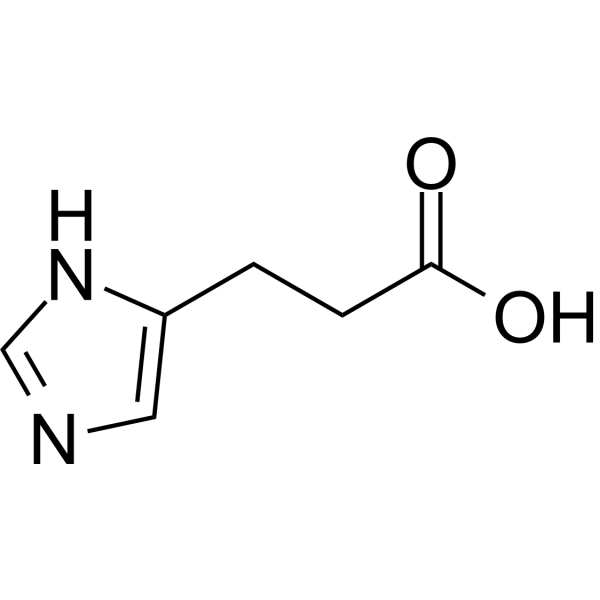
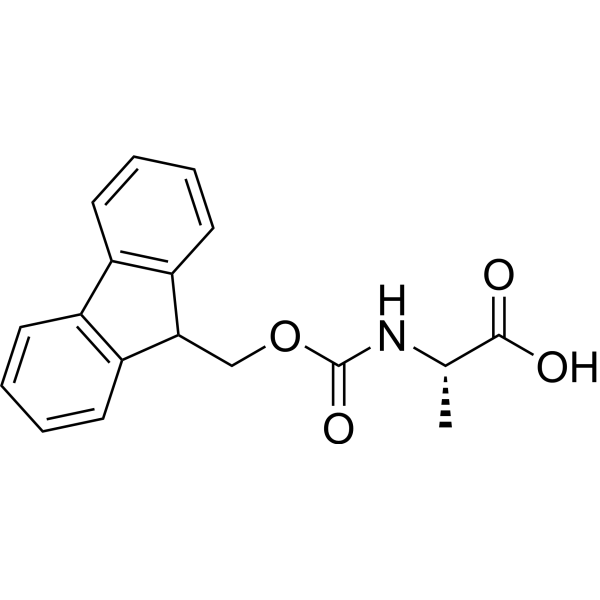 0 ImagesFmoc-Ala-OH is an alanine derivative.
-
Fmoc-Dab(Boc)-OH
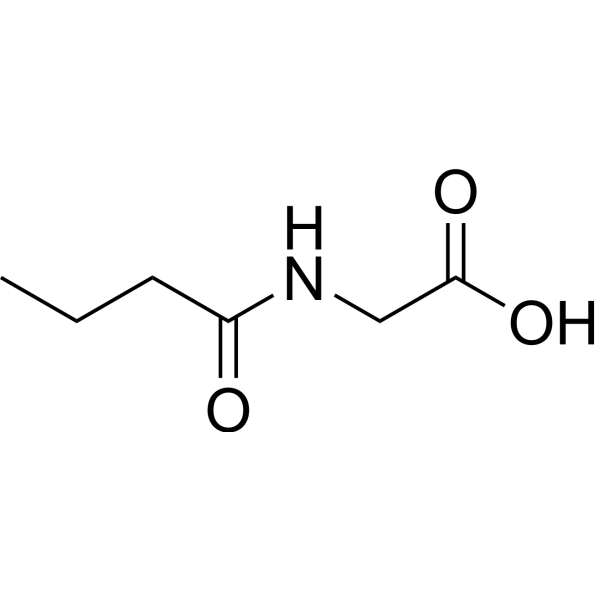
 0 ImagesFmoc-Dab(Boc)-OH (Compound 5) is an amino acid derivative with an Fmoc protecting group, which can be used to synthesize agents that inhibit neointimal formation induced by rat balloon injury. Fmoc-Dab(Boc)-OH serves as an intermediate for the synthesis of bioactive peptides or their analogs.
-
5-Bromo-L-tryptophan
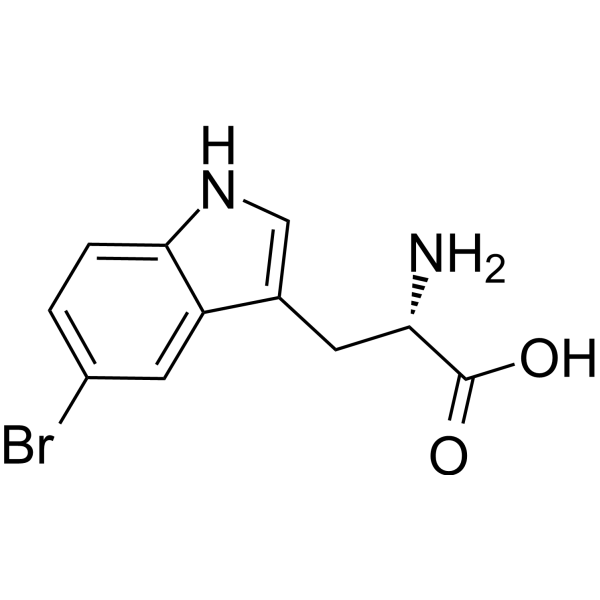 0 Images5-Bromo-L-tryptophan is a substrate of PLP-dependent enzyme AetE, as well as an indole alkaloid and Amino acid derivative. 5-Bromo-L-tryptophan can be isolated from Semenospongia sp. 5-Bromo-L-tryptophan can be converted into 5-bromoindole (HY-30236) via AetE-mediated catalysis. 5-Bromo-L-tryptophan is applicable to colon cancer research.
-
N6-Diazo-L-Fmoc-lysine
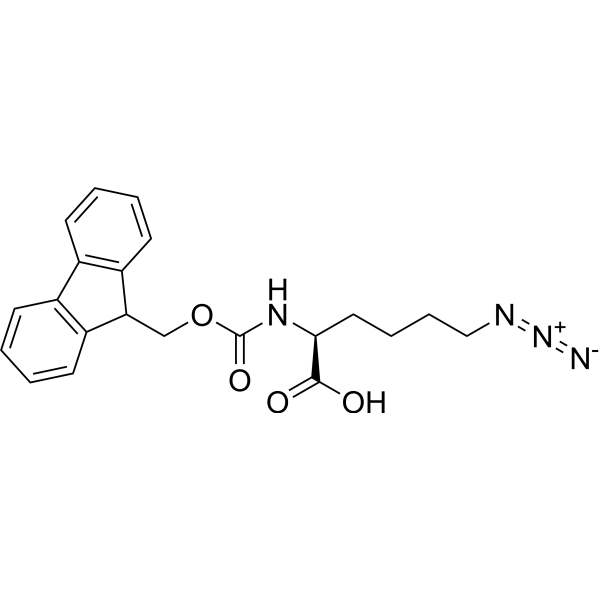 0 ImagesN6-Diazo-L-Fmoc-lysine is an active compand and can be used in a variety of chemical studies. N6-Diazo-L-Fmoc-lysine is a click chemistry reagent, it contains an Azide group and can undergo copper-catalyzed azide-alkyne cycloaddition reaction (CuAAc) with molecules containing Alkyne groups. It can also undergo strain-promoted alkyne-azide cycloaddition (SPAAC) reactions with molecules containing DBCO or BCN groups.
-
Fmoc-L-Lys (Boc)-OH
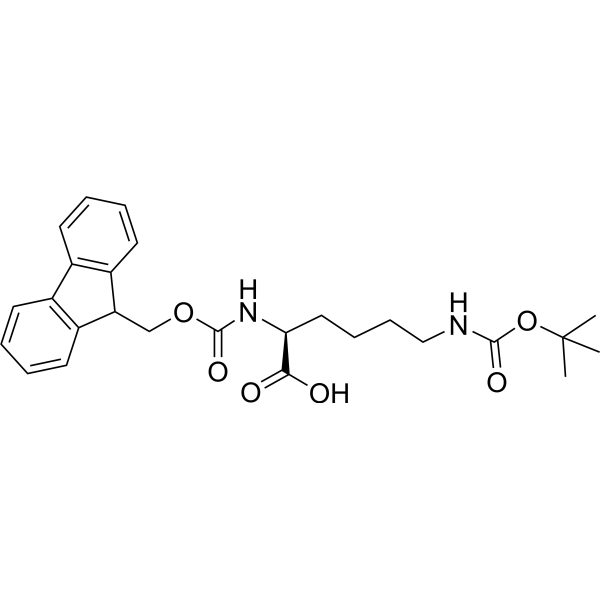 0 ImagesSynonyms: Fmoc-Lys(Boc)-OH; N-α-(Fmoc)-N-ε-(t-boc)-L-Lysine-OHFmoc-L-Lys (Boc)-OH is a lysine derivative.
-
Fmoc-Asp(OtBu)-OH
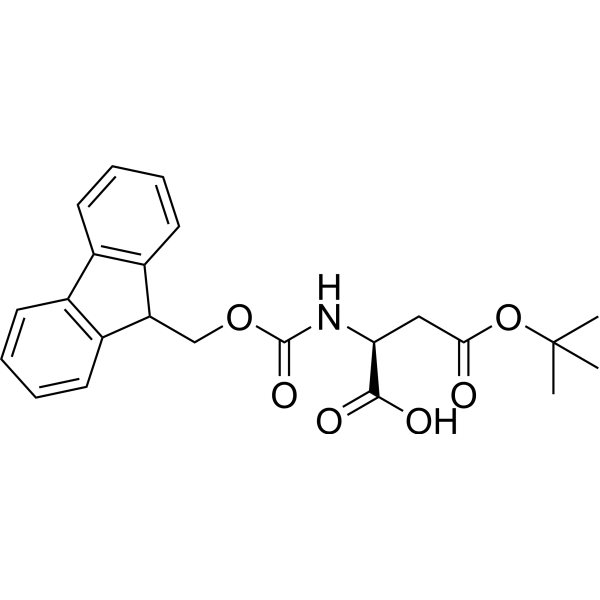 0 ImagesSynonyms: 4-tert-Butyl N-(fluoren-9-ylmethoxycarbonyl)-L-aspartate; Fmoc-L-Asp(OtBu)-OHFmoc-Asp(OtBu)-OH (4-tert-Butyl N-(fluoren-9-ylmethoxycarbonyl)-L-aspartate) is an aspartate derivative containing amine protecting group Fmoc. Fmoc-Asp(OtBu)-OH can be used for peptide synthesis.
-
Fmoc-Ser(tBu)-OH
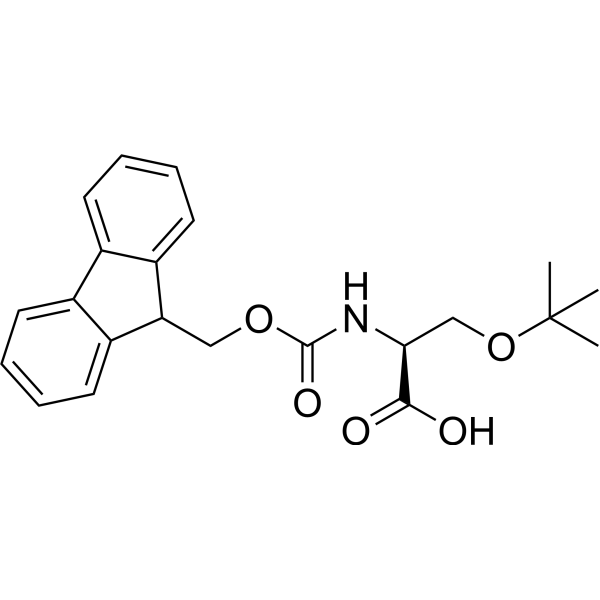 0 ImagesFmoc-Ser(tBu)-OH is a serine derivative.
-
Fmoc-Cys(Trt)-OH
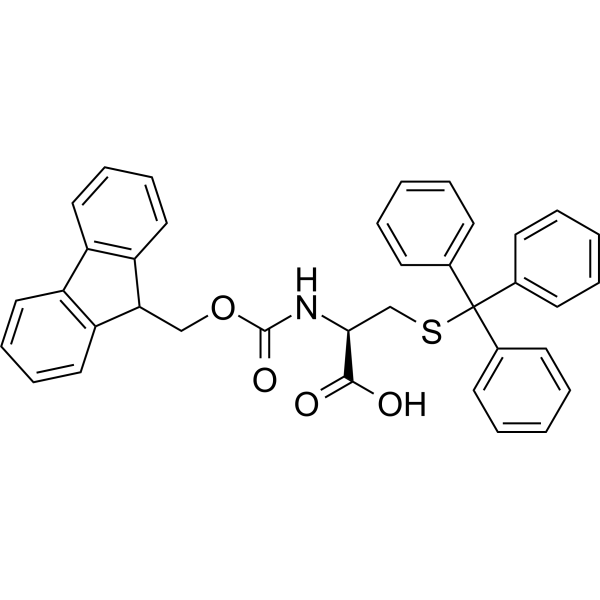 0 ImagesFmoc-Cys(Trt)-OH is a cysteine derivative.
-
Fmoc-Trp(Boc)-OH
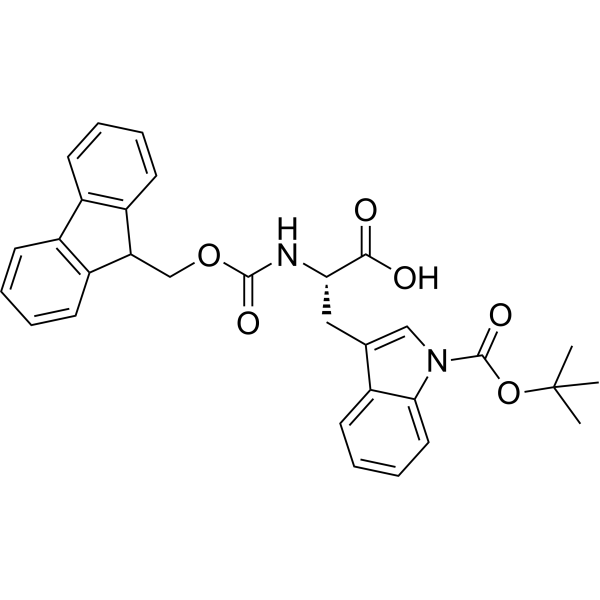 0 ImagesSynonyms: Fmoc-L-Trp(Boc)-OHFmoc-Trp(Boc)-OH (Fmoc-L-Trp(Boc)-OH) is an amino acid derivative with protective groups. Fmoc-Trp(Boc)-OH can self-assemble into stable and pH-responsive spherical nanoparticles, which can load and release bioactive molecules, with good biocompatibility and high cell uptake rate. Fmoc-Trp(Boc)-OH can be used in research on drug delivery.
-
Fmoc-Thr(tBu)-OH
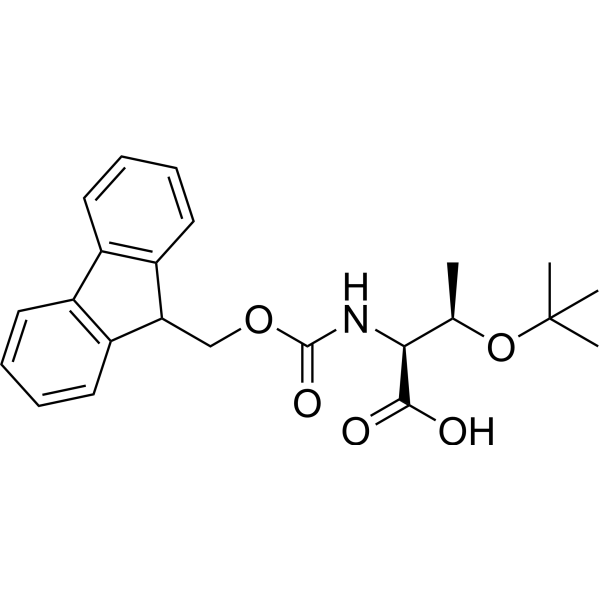 0 ImagesFmoc-Thr(tBu)-OH is a threonine derivative.
-
Fmoc-Tyr(tBu)-OH
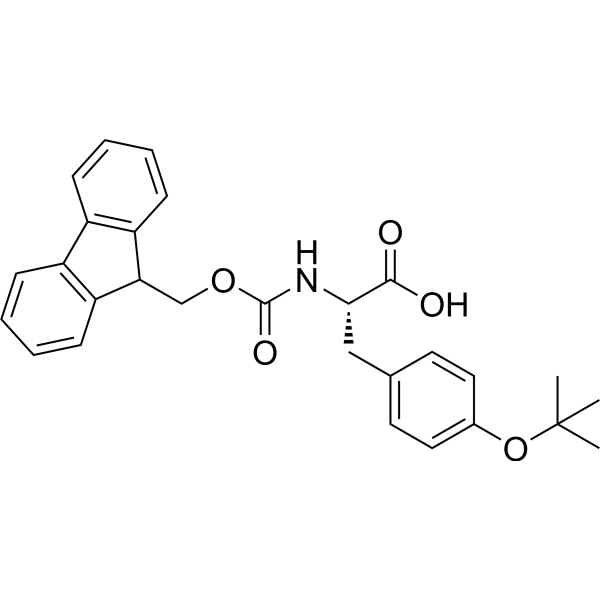 0 ImagesFmoc-Tyr(tBu)-OH is a tyrosine derivative.
-
Fmoc-Gln(Trt)-OH
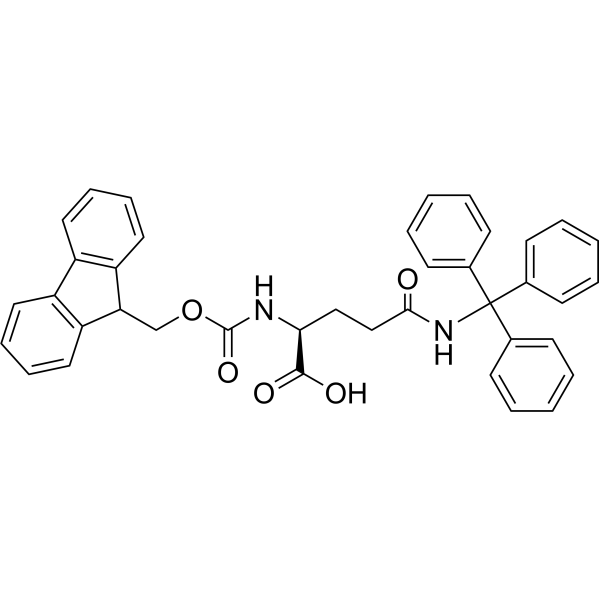 0 ImagesFmoc-Gln(Trt)-OH is a glutamine derivative containing amine protecting group Fmoc. Fmoc-Gln(Trt)-OH can be used in solid-phase peptide synthesis.
-
Fmoc-Phe-OH
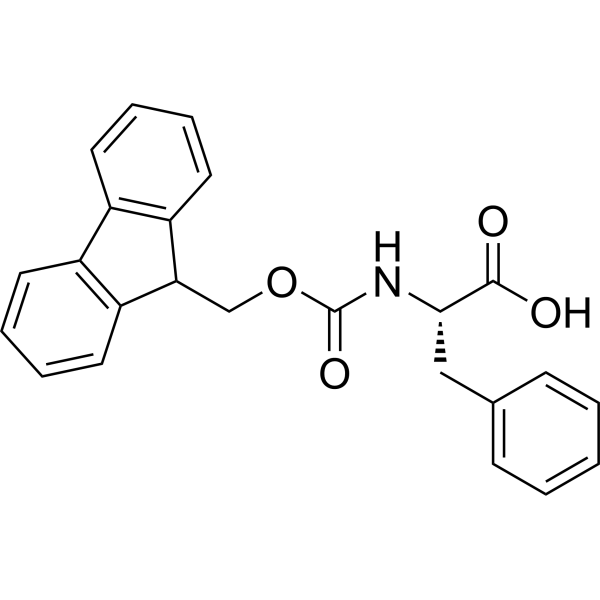 0 ImagesFmoc-Phe-OH is a phenylalanine derivative.
-
Fmoc-Glu(OtBu)-OH
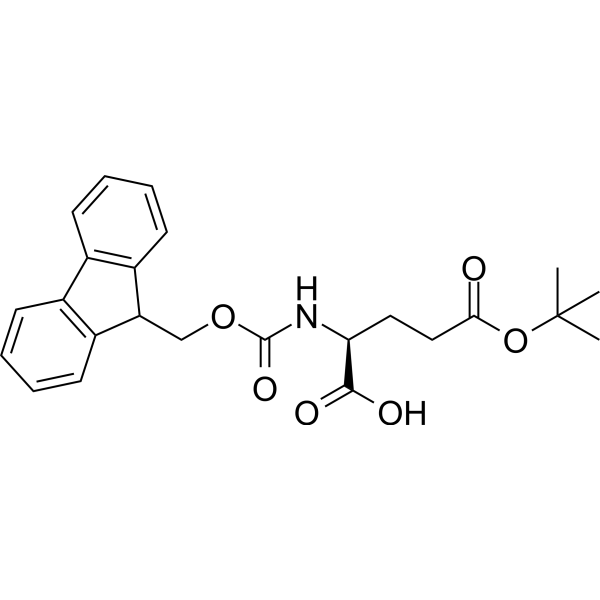 0 Images(S)-2-((((9H-fluoren-9-yl)methoxy)carbonyl)amino)-5-(tert-butoxy)-5-oxopentanoic acid is a glutamic acid derivative.



